
How to Prep Your Outdoor Heat Pump Unit for a Nor’easter: The Massachusetts Homeowner’s Guide
Wind howls, snow falls sideways, heavy rain can pound the siding, and branches twist in the gale — when a Nor’easter barrels up the coast, it can feel like Mother Nature has the thermostat set to “extreme.” These powerful winter storms often bring heavy precipitation and coastal flooding, so it’s no surprise that power outages spike, debris flies, and outdoor HVAC, heat pumps, and air conditioning units shoulder the brunt of the storm.
As The Hanover Insurance Group cautions, “Prepare your emergency kit and emergency plan” when a major winter system is on the horizon — your comfort, peace of mind, and staying safe through severe weather depend on it.
That same sense of readiness drives our mission at Endless Energy. Here at Endless Energy, we want to empower Massachusetts homeowners, renters, and property managers with clear, actionable steps to protect outdoor units before, during, and after a Nor’easter. From simple HVAC tips and tricks to backup power considerations, you’ll learn how to stay informed, stay safe, and remain safe and comfortable no matter how fierce the storm becomes this fall, winter, and storm season.
Table of Contents
ToggleUnderstanding the Risks: Why Nor’easters Threaten Your Outdoor Unit in Massachusetts
Nor’easters form when cold Arctic air collides with warmer Atlantic moisture, whipping up heavy rain, sleet, and snow that can linger for days. Sustained winds often exceed 50 mph, turning patio furniture, tree limbs, and icy projectiles into hazards that can dent coils, clog fins, or even topple the entire condenser. Prolonged exposure to salt-laden coastal gusts can also accelerate corrosion, shortening equipment life and causing costly HVAC damage.
Beyond visible damage, storms can quietly erode efficiency. When snow drifts, fallen branches, or wayward holiday décor choke off airflow, the system overheats and works overtime to maintain indoor temperatures. Home improvement experts report that blocked condenser coils can slash cooling capacity by roughly 15 percent and drive energy use up by about 20 percent, a costly double-hit during an already pricey winter storm season.
The financial fallout doesn’t end there. Neglected filters, leaky ducts, and other maintenance lapses routinely add hundreds of dollars to annual utility bills, according to Yukos Mechanical, which notes that issues like dirty filters alone can waste up to $150 each year — costs that spike when extreme weather strains an already stressed system.
Left unchecked, storm-induced strain can spiral into safety hazards. Ice buildup may bend fan blades, and moisture intrusion raises the risk of electrical shorts and potential water damage. Hanover Insurance further warns homeowners that improper generator use or blocked vents during a winter storm can invite carbon monoxide backdrafts and dangerous indoor air quality issues. Installing and testing carbon monoxide detectors or monoxide detectors before the storm hits should be part of every winter storm preparedness checklist.
The good news? A proactive game plan can head off most of these threats before the first snowflake falls, ensuring you can prepare winter weather challenges with confidence.
Step-by-Step: How to Prep Your Outdoor Unit Before a Nor’easter Hits
A Nor’easter doesn’t leave time for second-guessing, so a clear checklist is your best defense. Tackle these tasks as soon as weather updates hint at a brewing storm to protect HVAC performance, reduce the risk of protect hvac damage, and keep your family safe and comfortable.
- Give your condenser breathing room. Clear leaves, patio furniture, and holiday décor, then trim back shrubs and low-hanging branches to maintain at least two feet of open space around the cabinet; add a surge protector to defend sensitive electronics from lightning-related power surges — simple steps seasoned contractors say are key to unit longevity, as Hamstra Heating & Cooling points out.
- Tighten and test. Confirm all panels, screws, and conduit connections are secure so strong winds or flying debris can’t pry them loose, helping you protect HVAC components when storms wreak havoc.
- Flush the fins. With the power shut off at the disconnect, use a gentle garden-hose spray to remove dirt, salt, and sand before snow and ice lock contaminants in place, safeguarding long-term air quality and system efficiency.
- Level the pad. A sturdy, well-drained base prevents shifting when heavy precipitation and freeze-thaw cycles saturate the soil, preventing refrigerant line stress and unwanted water damage around the foundation.
- Plan for power outages. If you rely on backup power, test your generator now and store fuel safely outdoors; as Hanover Insurance reminds homeowners, generators should always run outside to prevent carbon monoxide from seeping indoors. While you’re at it, check your water heater settings and make sure a sump pump or sump pumps are functional to tackle any flooding that heavy rain may cause.
Smart covering strategy
A cover can help during the peak of a blizzard, but only if you use it wisely. Aire Serv notes that outdoor units already have weather-resistant construction, yet a short-term top cover can be worthwhile. You may still benefit from covering your unit in advance of a major easter storm or blizzard, then removing the cover as soon as conditions clear to avoid trapped moisture and vermin issues while preserving airflow with breathable materials.
Taking time to prepare winter defenses today pays off all fall, winter, and early-spring. A well-protected condenser keeps its efficiency edge, avoids costly repairs, and minimizes the stress of severe weather, extreme cold snaps, strong winds, and relentless coastal spray.
Pre-Storm Maintenance and Inspection Checklist
Before the first snowflake falls, run through this maintenance list to lock in peace of mind:
- Replace clogged air filters; dirty filters alone can waste up to $150 a year in extra energy, while leaky ducts and poor insulation add even more to your bills, according to industry analyses of common efficiency losses.
- Book professional service to clean coils, verify refrigerant charge, and spot worn components—vital for both gas furnaces and heat pumps.
- Inspect ductwork and attic insulation for gaps or damage; seal or upgrade as needed to retain heat and lower power usage during the coldest winter weather.
- Test thermostat settings, space heater safety, and back-up batteries so you can manage temperatures if a power outage strikes.
- Confirm outdoor electrical connections are weather-tight, and label the disconnect switch for fast access.
- Stock an emergency kit or aid kit with bottled water, perishable food alternatives, warm clothing, blankets, flashlights, and batteries to cover any unexpected delays in utility restoration.
Skipping these basics is risky — one New England contractor finds that up to 90 percent of HVAC failures trace back to missed maintenance, turning minor tune-ups into major repairs when winter storms intensify.
With these boxes checked, you’ve built a strong first line of defense against an impending storm.
During and After the Storm: Keeping Your System Safe and Efficient
When the Nor’easter finally arrives, the goal shifts from preparation to protection. Keep these actions top of mind to guard your HVAC equipment — and your family’s well-being — until the skies clear.
Before you take any steps, always put personal safety first and follow local emergency directives and stay informed through trusted meteorological sources.
- Stay indoors and monitor real-time weather updates while keeping an eye on your thermostat for signs of a power outage.
- Periodically look outside (from a safe vantage point) to verify the outdoor unit isn’t buried in snowdrifts; if it is, shut the system off at the thermostat to prevent ice damage or short-cycling.
- Keep intake and exhaust vents clear of snow to avoid dangerous carbon monoxide buildup and to maintain healthy indoor air quality.
- Use only flashlights or battery lanterns for light — never open-flame candles near mechanical equipment, and keep a space heater on a flat, uncluttered surface if supplemental heat is necessary.
- If you must run a portable generator for backup power, place it at least 20 feet from the house, keep it dry, and ensure carbon monoxide detectors are working to alert you if fumes creep indoors.
As The Hanover Insurance Group emphasizes, “Use generators outside — position generators so exhaust fumes can’t enter through window or door cracks.”
Once the storm hits and then passes, give your system a careful once-over before restarting it:
- Shut off power, then gently remove snow, ice, or fallen branches from the condenser fins and fan guard, ensuring you protect hvac components.
- Check refrigerant and electrical lines for visible damage or ice expansion, and look for pooling water that could overwhelm a sump pump.
- Inspect the unit’s base for shifting or heaving that could strain refrigerant tubing or cause hidden hvac damage.
- Restore power and listen for unusual noises. If you notice grinding, buzzing, or short cycling, call our team at Endless Energy for a professional inspection before further operation.
Emergency supplies matter just as much as mechanical know-how. The American Red Cross advises homeowners to gather food, bottled water, and medicine before a winter storm because stores might be closed and it may be unsafe to travel. They recommend organizing supplies into a Go-Kit and a Stay-at-Home Kit, each with at least several days of essentials like perishable food alternatives, blankets, and warm clothing.
Attentive post-storm care protects both your system and your wallet, catching hidden issues early and preventing small problems from becoming expensive surprises.
Avoiding Common Mistakes: What Not to Do When Prepping Outdoor Units
Even the best intentions can backfire if you lean on outdated advice or rush last-minute prep. Before the next storm sweeps in with strong winds, rain, and snow, steer clear of these common missteps that quietly erode efficiency, inflate energy bills, and put your equipment at risk.
Here are the pitfalls our team sees most often:
- Covering a live condenser. One regional HVAC and plumbing company warns that covering the entire unit while it’s running can choke off airflow, overheat components, and even pull loose fabric into the fan, turning prepare storm efforts into a fast-track for hvac damage.
- Blocking airflow with decorations or dense shrubs. As noted earlier, when outdoor coils run just 20 °F hotter than the surrounding air, cooling capacity can plunge by about 15 percent and electricity use can jump 20 percent. A pretty planter simply isn’t worth the spike in utility costs or risk of water damage when storms wreak havoc.
- Skipping seasonal service. Systems that lack routine tune-ups can use up to 30 percent more energy than well-maintained units, burning through your storm budget before you ever need backup power.
- Trapping moisture with plastic tarps. Non-breathable covers or wrapping the cabinet from top to bottom invites rust, mold, and rodents; if you opt to shield the fan grill, choose a breathable top-only cover and remove it once the blizzard breaks.
- Forgetting the post-mow rinse. Grass clippings and dust cling to coils, forcing longer run times just when extreme winter weather already has your system working overtime.
Collectively, these oversights can drive annual energy costs up by hundreds of dollars, shorten equipment life, and add stress when winter storms or easter storms roll through. Avoid them, and you’ll preserve comfort, maximize efficiency, and keep emergency calls to a minimum.
Get Storm-Ready: Protect Your Comfort and Savings This Nor’easter Season
Every Nor’easter forecast is a reminder that preparation isn’t optional — it’s the smartest investment you can make in year-round comfort and lower bills. By clearing space around your condenser, locking in seasonal maintenance, and following safe storm protocols, you’re already ahead of the curve. In fact, tackling simple fixes like clean filters, sealed ducts, functional sump pumps, and proper insulation can save Massachusetts homeowners hundreds of dollars a year in wasted energy and keep critical equipment humming when the weather turns fierce.
Skip those best practices, and your system could end up working up to 30 percent harder — and costing you more just to deliver the same warmth. Multiply that over a long New England winter filled with heavy precipitation, and the price of inaction quickly outweighs the cost of a proactive tune-up.
Storm season doesn’t wait, and neither should you.
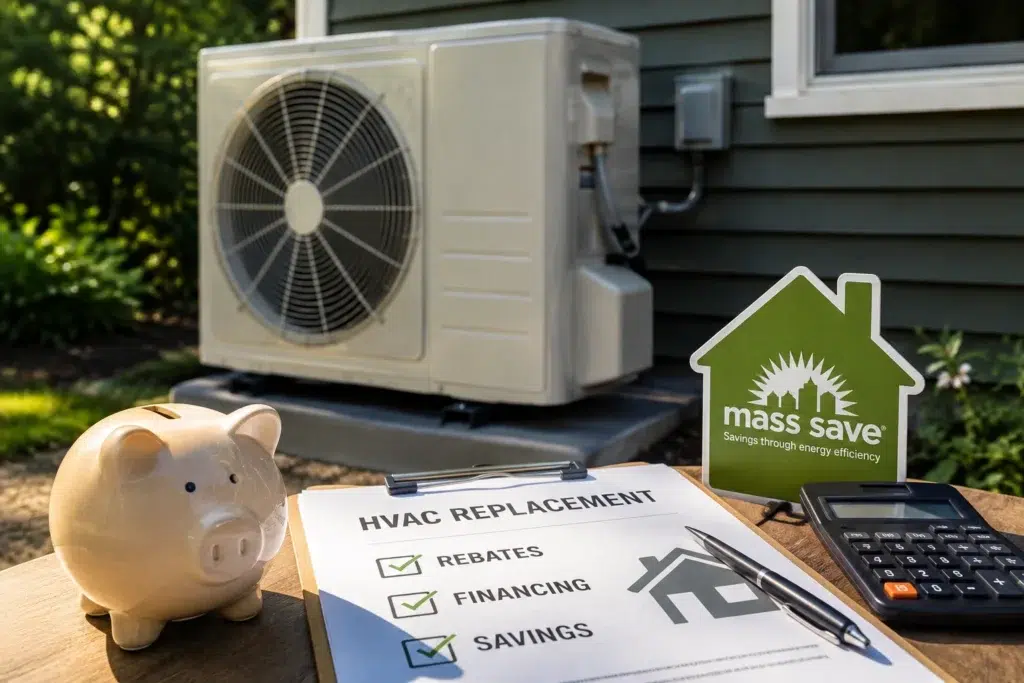
Request a heat pump maintenance from our team at Endless Energy today, and let us ensure your HVAC, heat pump, or air-conditioning equipment is ready for any Nor’easter. Secure your home’s comfort, safeguard your investment, and enjoy the peace of mind that comes from partnering with Massachusetts’ trusted energy-efficiency experts.